Wiki ReflexologyClinical Encyclopedia

Beginner reflexology technique, foot and hand maps, and safety

How to Do Reflexology: A Complete Safety-Led Beginner Guide

Learn how to do reflexology safely with beginner foot and hand maps, thumb-walking technique, setup, stress and comfort routines, cautions, and diagrams.

Introductory Medical copy review SQLite article
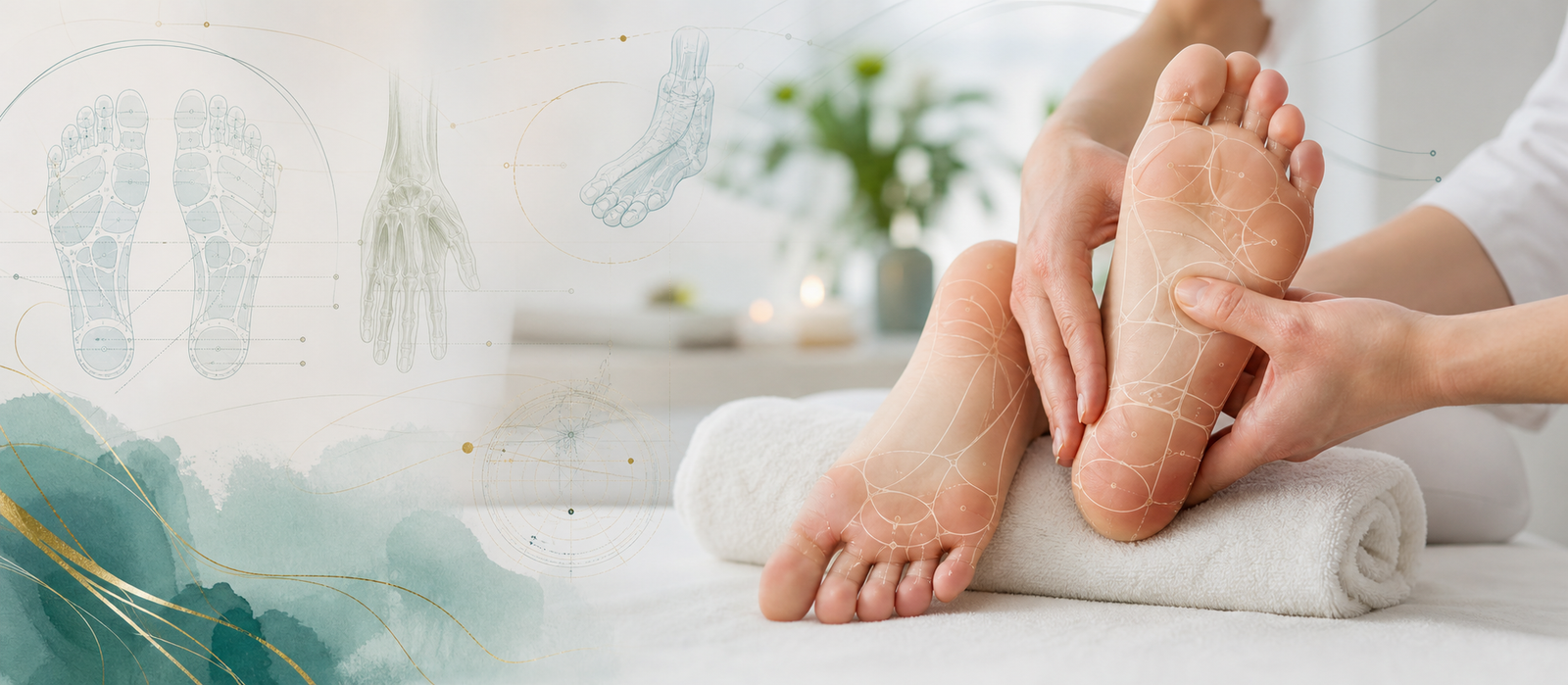
Premium clinical reflexology Resources banner with atlas-inspired therapeutic foot and hand imagery.

Start with a Realistic Definition of Reflexology

Reflexology is a hands-on wellness practice that uses pressure on mapped areas of the feet, hands, or ears. Traditional reflexology maps connect these areas with body regions such as the head, chest, spine, digestion, pelvis, and limbs. A beginner may start with a foot chart, press a zone with the thumb, and notice whether the session feels relaxing, grounding, or comforting.

The public WikiHow article on doing reflexology introduces the basic idea, then moves into stress relief and pain comfort. This Wiki Reflexology guide keeps that beginner pathway, but rebuilds it into a more complete, professional, and safety-led tutorial. The goal is not to memorize hundreds of reflex points on day one. The goal is to learn a safe setup, a simple map, a good pressure technique, and the boundaries that keep reflexology inside responsible self-care.

Reflexology can be used as a relaxation routine, a foot-care ritual, a way to reduce stress arousal, or a gentle comfort layer for mild, familiar discomfort. It should not be presented as a cure for cancer, diabetes, heart disease, infection, nerve damage, inflammatory disease, severe pain, or any undiagnosed condition. If symptoms are new, severe, progressive, neurological, infectious, traumatic, or medically unexplained, seek medical advice rather than pressing harder.

Editorial note: the WikiHow page was used as a topic reference only. This article is original, substantially expanded, and rebuilt with new educational diagrams, safer pressure rules, beginner routines, foot and hand maps, red flags, and medical source references.

Professional Visual Set

These diagrams are designed for education, not diagnosis. They show the beginner workflow: setup, basic foot map, thumb walking, hand map, stress routine, pain-comfort boundaries, and safety rules.

Contact sheet showing professional beginner reflexology diagrams including overview, setup safety, foot reflexology map, thumb walking technique, hand reflexology map, stress routine, and pain comfort safety.
Complete visual set for learning reflexology safely: overview, setup, foot map, thumb-walking technique, hand map, stress support, and pain-comfort safety.

What Reflexology Can and Cannot Do

Reflexology is best understood as complementary comfort care. It may help someone slow down, relax the nervous system, notice tension patterns, improve body awareness, and enjoy structured touch. Some people report better sleep, less perceived stress, easier breathing, or temporary pain comfort after a session. These outcomes can be meaningful, especially when the routine is gentle and consistent.

The evidence base is not the same as a medical treatment. NCCIH describes reflexology as a complementary approach with limited and condition-specific research. Study quality, protocol differences, population differences, and expectation effects all matter. That is why this guide avoids cure claims. A point that feels tender does not diagnose an organ problem. A relaxing session does not prove that a disease has been treated.

Use reflexology as a supportive layer alongside sensible care: sleep, movement, hydration, nutrition, stress management, foot hygiene, and medical guidance when needed. If you have diabetes, neuropathy, circulation problems, blood-clot risk, active infection, recent surgery, severe pain, pregnancy, cancer treatment, or a complex medical history, ask a qualified healthcare professional before using pressure-based self-care.

Beginner reflexology overview diagram showing comfort goals, foot hand and ear map areas, safety boundary, pressure rules, and no diagnosis warning.
Reflexology overview: use maps for structured comfort, not for diagnosis or replacement of healthcare.

Prepare the Space, the Feet, and Your Hands

A good reflexology session starts before the first point. Choose a calm space with enough light to see the foot clearly. The receiver should sit or lie comfortably with the knee and ankle supported. The practitioner, even if that is just you working on your own feet, should be comfortable enough to keep shoulders relaxed and wrists neutral.

Wash and dry the feet and hands. Check the skin before applying pressure. Do not work over wounds, blisters, burns, fungal infection, rashes, bruising, swelling, recent surgery, hot red tissue, varicose veins, numb areas, or suspected clot concerns. Avoid strong pressure if sensation is reduced. People with diabetic neuropathy may not feel injury accurately, so foot pressure must be handled with extra caution.

Keep products simple. A tiny amount of lotion can reduce friction, but too much makes thumb walking slippery. If you are learning, dry or lightly moisturized skin gives better control. Have a towel nearby. Work slowly enough that the receiver can speak up. A beginner session should feel safe, clear, and easy to stop at any moment.

Reflexology session setup and safety diagram showing clean feet and hands, supported ankle, skin check, pressure scale, and avoid pressure sites.
Setup checklist: clean skin, supported joints, safe pressure, and a clear stop rule before point work begins.

Learn the Basic Foot Reflexology Map

The beginner foot map can be divided into five practical areas. The toes relate traditionally to the head, brain, sinuses, eyes, and ears. The ball of the foot is commonly mapped to the chest, lungs, heart, shoulders, and upper back. The arch is used for digestive and abdominal zones. The heel is used for pelvic, hip, sciatic, and lower-back areas. The inner edge of the foot is often mapped as the spine line.

Do not worry about perfect precision at first. Reflexology maps vary by school, and even professional maps do not replace anatomy or diagnosis. For learning, broad regions are more useful than tiny point hunting. Work the whole foot, then give a little more time to the region that matches the wellness goal. For example, stress routines often include toes, solar plexus, diaphragm line, and spine line. Digestive comfort routines often include the arch. Back-comfort routines often include the inner edge and heel.

Use the map as a navigation tool. If the person has foot pain, inflammation, numbness, wounds, or reduced sensation, choose hand reflexology instead or skip the session. A map is never more important than the tissue in front of you.

Basic foot reflexology map showing toes for head and sinuses, ball of foot for chest and shoulders, arch for digestion, heel for pelvis and lower back, and inner edge spine line.
Basic foot map: learn broad regions first, then refine pressure only when the tissue is safe and comfortable.

Use Thumb Walking Instead of Random Rubbing

Thumb walking is the core beginner technique. Bend the thumb slightly, place the pad of the thumb on the skin, press gently, and move forward in tiny steps. The motion is like a small caterpillar movement: press, release a little, move a few millimeters, press again. The goal is steady, controlled contact without scraping the skin or collapsing the wrist.

Use a 3 to 5 out of 10 pressure level for self-care. Pressure can feel clear, warm, or mildly achy, but it should not be sharp, electric, bruising, numbing, or alarming. Work slowly across one zone, then return with less pressure or move to another area. Beginners often press too hard because they want to feel something dramatic. Professional reflexology is often more subtle.

Protect your hands. Keep the thumb close to the hand rather than forcing the joint backward. Use body weight and small movements instead of muscular strain. Alternate thumbs. Rest if your hand or wrist becomes tired. If you are working on someone else, ask for feedback and watch the face, breath, and foot response.

Thumb walking reflexology technique diagram showing thumb pad contact, small step movement, pressure scale, relaxed wrist, release and reassess.
Thumb walking: small controlled steps, moderate pressure, relaxed wrist, and constant reassessment.

Try a Beginner Foot Reflexology Routine

A simple beginner routine can take 10 to 15 minutes. Start by warming the whole foot with broad palm contact. Work each toe gently, including the tips, sides, and base. Move across the ball of the foot with thumb walking. Sweep across the diaphragm line. Work the arch with slow thumb steps. Trace the inner edge of the foot from big toe base toward the heel. Finish with the heel and a few calming holds at the solar plexus area.

  1. Warm: hold the foot with both hands, then use slow strokes from toes to heel.
  2. Toes: work each toe gently for head, sinus, eye, ear, and neck map areas.
  3. Ball of foot: thumb walk under the toes for chest, shoulder, and upper-back map areas.
  4. Arch: use gentle thumb walking for digestive and abdominal map areas.
  5. Inner edge: trace the spine line with moderate pressure, avoiding bony irritation.
  6. Heel and finish: work the heel lightly, then hold the foot and reassess comfort.

Repeat on the other foot. Keep the routine symmetrical unless there is a reason not to touch one side. A complete session does not need to be long. Consistency and comfort matter more than duration.

Learn the Basic Hand Reflexology Map

Hand reflexology is useful when feet are unavailable, ticklish, sore, injured, or not appropriate to touch. The fingers are often mapped to head and neck areas. The upper palm is mapped to chest and shoulder regions. The center of the palm is used for solar plexus and digestive comfort. The lower palm is used for lower abdominal and pelvic regions. The thumb side is commonly mapped as a spine line.

To practice, warm the whole hand, then thumb walk the fingers, upper palm, center palm, and thumb-side edge. Use small circles in the center palm for calming. Work both hands. Hand reflexology can be a discreet self-care routine during travel, work breaks, or before sleep.

Use the same safety rules. Avoid pressure over wounds, swelling, rash, infection, recent surgery, numbness, severe arthritis flares, or painful joints. If hand pressure worsens symptoms, stop. Hand maps can support relaxation, but they do not diagnose organ or spine conditions.

Basic hand reflexology map showing fingers for head and neck, upper palm for chest and shoulders, center palm for solar plexus and digestion, lower palm for pelvic zones, and thumb side spine line.
Hand map: a practical alternative when foot work is not appropriate or when you need a discreet self-care routine.

Reflexology for Stress Relief

The stress-relief routine is the safest beginner application because the goal is relaxation, not symptom treatment. Start with slow contact and an easy pressure level. Work the toes lightly, then the ball of the foot, then the solar plexus area. Pair pressure with slow exhalation. Finish by tracing the spine line and holding the foot quietly for a few breaths.

Stress support is not the same as treating anxiety disorder, panic attacks, depression, insomnia, trauma, or medical symptoms that appear during stress. Reflexology can be part of a calming routine, but persistent mental health symptoms, severe insomnia, panic symptoms, or thoughts of self-harm require qualified care. The language should stay honest: reflexology may support relaxation; it is not a mental-health cure.

A five-minute version works well before sleep: toes for one minute, ball of foot for one minute, arch for one minute, solar plexus hold for one minute, and whole-foot hold for one minute. If you use hand reflexology, replace foot zones with fingers, upper palm, center palm, and a quiet palm hold.

Stress relief reflexology routine diagram showing toes, ball of foot, arch, solar plexus breathing, spine line, and calming finish.
Stress routine: light, rhythmic, predictable pressure with breathing and a clear relaxation goal.

Reflexology for Pain Comfort

Reflexology for pain should be framed carefully. It may help some people relax and feel temporary comfort, especially when pain is mild, familiar, muscular, stress-related, or part of a known condition with an existing care plan. It should not be used to evaluate or treat severe, new, progressive, traumatic, neurological, infectious, abdominal, chest, or unexplained pain.

For head discomfort, beginners often work the toes and finger tips gently. For back comfort, they often work the inner foot edge, heel, and hand spine line. For shoulder tension, the ball of the foot and upper palm are common map regions. For digestive discomfort, the arch and center palm are used in traditional maps. These choices are map-based comfort routines, not proof of diagnosis.

Stop and seek medical advice for pain with fever, swelling, redness, unexplained weight loss, trauma, numbness, weakness, chest symptoms, severe headache, abdominal emergency signs, or pain that is different from your usual pattern. Do not press directly into acute injury or inflamed tissue. A safe reflexology session should reduce guarding, not create bruising or flare-ups.

Reflexology pain comfort safety diagram showing mild familiar pain, map selection, light to moderate pressure, stop signals, and referral red flags.
Pain comfort: use reflexology as a gentle support layer only when symptoms are suitable for self-care.

Pressure Rules, Timing, and Session Length

For beginners, a safe session is usually 10 to 20 minutes. Work both feet or both hands unless one side is not safe to touch. Spend more time on broad warming, thumb walking, and calming holds than on intense point digging. Use a pressure scale. For self-care, stay around 3 to 5 out of 10. For frail clients, older adults, people with neuropathy risk, or anyone with sensitive feet, use less.

Thirty to ninety seconds in a region is enough for learning. A whole zone can be covered with thumb walking rather than pressing a single spot for a long time. If a reflex point is tender, soften your pressure and slow down. If the tenderness is sharp, burning, electric, or worrying, leave it alone.

After the session, drink water if you are thirsty, move gently, and notice how you feel. Some people feel relaxed or sleepy. Some feel nothing dramatic. Both are normal. Reflexology should not cause bruising, dizziness, nausea, numbness, foot pain, or symptom worsening. If it does, stop the routine and reassess the method or suitability.

A Two-Week Beginner Practice Plan

If you are learning how to do reflexology at home, a short practice plan works better than trying to master every point in one sitting. During the first three days, practice only setup, hygiene, skin checks, and broad warming strokes. Notice how much pressure is needed before the foot starts to tense. The best beginner reflexology sessions usually feel boringly controlled at first, which is exactly the point.

On days four to seven, add thumb walking across the toes, ball of the foot, arch, heel, and inner edge. Keep the session under 15 minutes. Do not chase tender points. Your goal is to make your thumb movement small, even, and repeatable. Practice on your own foot before working on another person, because self-practice teaches pressure control quickly.

During week two, choose one simple intention per session: relaxation, foot comfort, hand reflexology practice, or chart reading. For relaxation, use toes, diaphragm line, solar plexus, and spine line. For chart reading, identify the broad region first, then work the whole zone rather than one tiny dot. For hand reflexology, repeat the same logic on the fingers and palm.

Keep notes if you are a student. Record session length, pressure level, zones used, feedback, and any reason you stopped. This builds professional habits early: observation, consent, pressure adjustment, and scope awareness. Reflexology skill is not only about where to press. It is also about knowing when to soften, pause, refer, or stop.

How to Work on Someone Else Respectfully

When practicing on another person, consent and communication matter as much as technique. Explain that the session is for relaxation and comfort, not diagnosis. Ask whether they have foot wounds, diabetes, neuropathy, circulation problems, recent surgery, pregnancy, blood-clot concerns, infection, severe pain, or any condition that makes pressure uncertain. If the answer raises concern, skip the session or suggest professional advice first.

Use a simple feedback scale. Ask, "Is this pressure light, medium, strong, sharp, or uncomfortable?" Medium is usually enough. Watch for signs that the person is tolerating pressure rather than enjoying it: held breath, pulled toes, tense shoulders, facial tightening, silence after discomfort, or sudden foot withdrawal. Reduce pressure before the person has to defend themselves from your hands.

Keep boundaries clear. Do not interpret tender reflex points as organ problems. Do not promise that pressing a zone will cure pain, insomnia, digestion, anxiety, eye strain, chest symptoms, or back problems. If the person tells you about worrying symptoms, your role is not to prove the map. Your role is to stop, listen, and encourage appropriate care. That honesty makes reflexology more credible, not less.

Common Mistakes to Avoid

  1. Pressing too hard: strong pain is not a sign of better reflexology. Reduce pressure and keep the receiver relaxed.
  2. Chasing tiny points: broad zones are safer and easier for beginners than trying to hit an exact dot.
  3. Ignoring the skin check: wounds, swelling, infection, bruises, numbness, and neuropathy risk change the plan.
  4. Making cure claims: reflexology can support comfort, but it should not be sold as treatment for serious disease.
  5. Forgetting your own body mechanics: protect your thumb, wrist, neck, and shoulders while working.
  6. Skipping medical red flags: severe, sudden, progressive, neurological, traumatic, chest, abdominal, or unexplained symptoms need care.

Our Recommendation as a Reflexology Education Site

Our recommendation is to learn reflexology as a structured comfort skill. Begin with hygiene, skin safety, pressure control, and a simple map. Practice thumb walking before you try long routines. Use reflexology for relaxation and body awareness first. Add symptom-specific routines only when the symptom is mild, familiar, and appropriate for self-care.

For students, the professional skill is not just remembering reflex names. It is knowing how to screen, how to touch safely, how to explain limits, and how to refer. A reflexologist who can say "this is outside my scope" is safer and more credible than one who promises too much.

For home readers, start with your own hands or feet. Keep the first routine short. Use a map, but listen to the tissue. If you are uncertain because of a medical condition, foot problem, pregnancy, neuropathy, medication, or unusual symptoms, ask a healthcare professional before continuing.

FAQ: How to Do Reflexology

Can beginners do reflexology at home?

Yes, if the goal is gentle relaxation and the tissue is safe to touch. Beginners should use light to moderate pressure, avoid medical claims, and stop for pain, numbness, swelling, wounds, or unusual symptoms.

Do I need a reflexology chart?

A chart helps, but you do not need to memorize everything. Start with broad regions: toes, ball of foot, arch, heel, and inner edge. Use the chart as a guide, not a diagnosis.

How long should a reflexology session last?

A beginner session can be 10 to 20 minutes. A self-care mini-session can be 5 minutes. Longer is not automatically better, especially if pressure becomes too intense.

Can reflexology treat disease?

No. Reflexology may support relaxation and comfort, but it should not replace medical diagnosis, medication, emergency care, or treatment for serious conditions.

Who should avoid reflexology or ask first?

People with diabetes-related neuropathy, foot wounds, poor circulation, blood-clot concerns, recent surgery, pregnancy, cancer treatment, severe pain, or complex medical histories should seek professional guidance first.

Scientific, Medical, Therapeutic, and Book References

Online references

Book references

  • Ingham, E. Stories the Feet Can Tell Thru Reflexology. Historical reflexology reference.
  • Byers, D. Better Health with Foot Reflexology. International Institute of Reflexology.
  • Dougans, I. The Complete Illustrated Guide to Reflexology. Reflex map and practice reference.
  • Marquardt, H. Reflexotherapy of the Feet. Professional reflex-zone therapy reference.