Hand reflexology and upper-limb access
Discovering Hand Reflexology: Techniques and Benefits for Enhanced Well-Being
Explore discovering hand reflexology techniques and benefits for enhanced well-being with evidence-aware reflexology guidance, safety notes, traditional map.
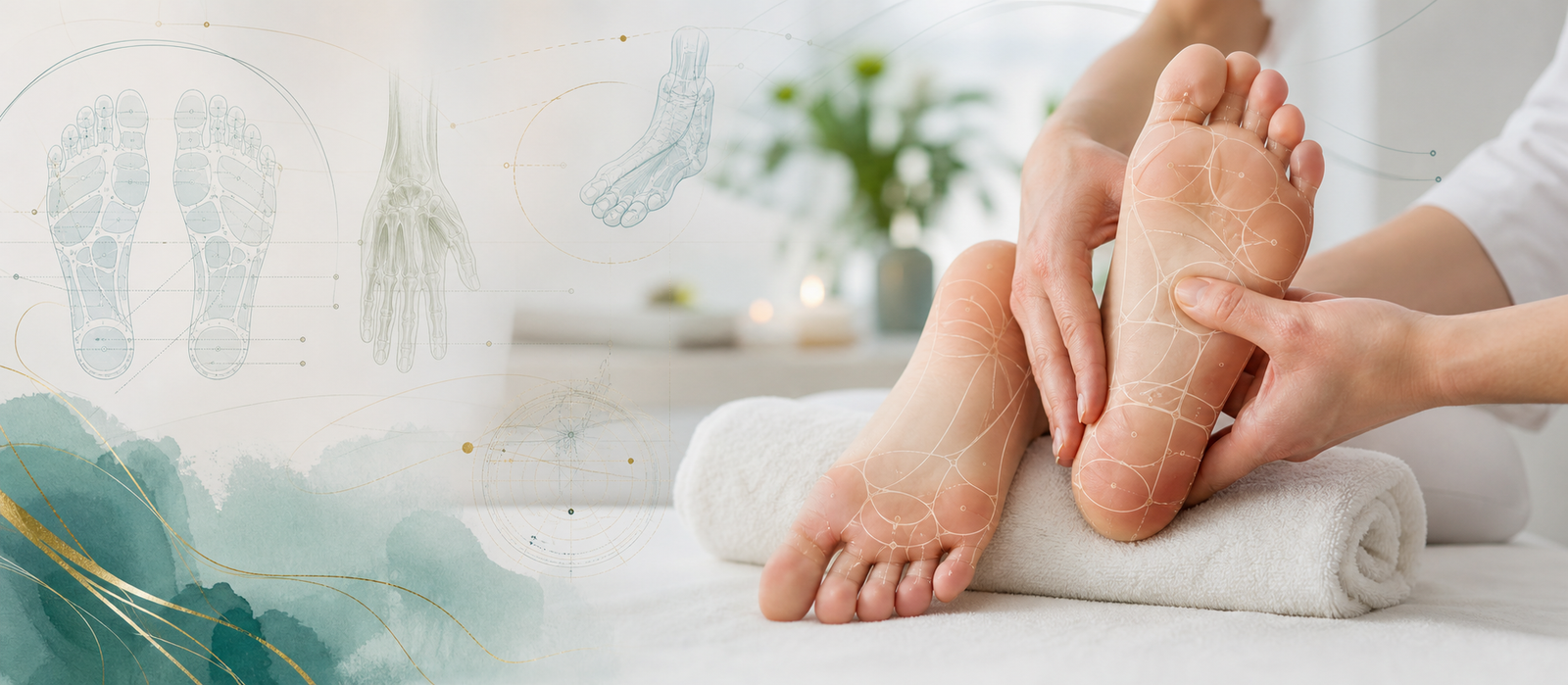
Clinical Overview
Discovering Hand Reflexology: Techniques and Benefits for Enhanced Well-Being deserves a more careful treatment than the short wellness summaries that often appear online. Reflexology is best understood as a structured complementary practice: it uses deliberate pressure, rhythm, and mapped areas of the feet, hands, or ears to support relaxation, body awareness, and comfort. It should not be framed as a cure or as a replacement for diagnosis, medical treatment, podiatry, physiotherapy, mental-health care, or medication when those are needed.
This resource expands the legacy Wiki Reflexology article into a clinical-style guide. It keeps the original topic focus around Introduction to Hand Reflexology, The Science of Reflex Points, Basic Hand Reflexology Techniques, Advanced Hand Reflexology Methods, Health Benefits of Hand Reflexology, but rewrites the material with stronger anatomy context, evidence boundaries, safety language, and practical therapeutic detail. The goal is to help readers understand what reflexology may reasonably support, where tradition and clinical evidence differ, and when a practitioner should refer rather than continue.
The central theme is hand reflexology and upper-limb access. For a safety-led encyclopedia, that means the article must do three things at once: explain the reflexology concept clearly, protect readers from exaggerated claims, and give practitioners or self-care readers a practical structure they can use responsibly.
Reflexology, Anatomy, and Therapeutic Rationale
In reflexology, the feet are approached as highly responsive sensory structures. The sole contains dense skin receptors, plantar fascia, intrinsic muscles, fat pads, tendons, small joints, and branches of peripheral nerves. These structures do not prove that each reflex point directly controls an organ, but they do explain why careful touch can feel meaningful, grounding, and relaxing.
A medically literate reflexology page should separate traditional maps from anatomy. Reflexology charts are useful as therapeutic maps and communication tools, but they are not diagnostic scans. A tender area on the foot is not enough to diagnose a liver, lung, digestive, neurological, or endocrine condition. It can, however, guide a practitioner to slow down, ask better questions, and adjust pressure.
The most credible therapeutic explanation is indirect: calming touch, predictable pressure, focused attention, and a quiet session environment may reduce stress arousal and change how discomfort is perceived. That is valuable, but it is different from claiming that reflexology reverses disease.
Evidence Review
The research base for reflexology is mixed. NCCIH describes reflexology as a practice that applies pressure to points on the feet or hands and notes that claims of healing specific body parts have not been proven. Some studies suggest symptom improvements in limited settings, but the evidence is not strong enough to present reflexology as a disease treatment.
More encouraging signals exist for relaxation-related outcomes. A meta-analysis of randomized trials on foot reflexology reported effects on depression, anxiety, and sleep quality in adults, though study quality, blinding, protocols, and expectation effects remain important limitations. This is why Wiki Reflexology uses evidence labels such as preliminary evidence, traditional use, and safety caution instead of cure language.
For hand reflexology and upper-limb access, the safest conclusion is measured: reflexology may be a supportive wellness intervention when the client is appropriate, pressure is adjusted, contraindications are respected, and the practitioner stays within scope. It should be integrated with standard care when symptoms are persistent, severe, progressive, or medically unexplained.
Practitioner Protocol
Begin with a short intake. Ask what the person wants from the session, whether symptoms are new or chronic, and whether they have diabetes, neuropathy, vascular disease, pregnancy, cancer treatment, skin infection, recent surgery, fractures, blood-clot risk, or unexplained swelling. This is not bureaucracy; it is the part of reflexology that makes the rest of the session responsible.
Inspect the feet before applying pressure. Look for redness, wounds, blisters, bruising, calluses, fungal changes, swelling, unusual temperature, or color change. In a spa setting, this step should feel discreet and professional. In a clinical setting, it should be documented.
Use a pressure scale from 1 to 10. Most wellness sessions should stay between 3 and 6. Sensitive clients, older adults, pregnant clients, people with pain, and anyone with reduced sensation should stay lighter. Deep pressure is not automatically more therapeutic, and strong pressure can be unsafe when protective sensation is reduced.
Sequence the work from broad to specific. Start with warm contact and slow strokes, move into the relevant reflex zones, and finish with broad calming touch. This progression gives the nervous system time to adapt and lets the practitioner monitor the client’s response.
After the session, provide simple aftercare. Encourage the person to notice how they feel, avoid aggressive self-treatment, inspect the feet if there is any medical risk, and seek professional care for worsening pain, swelling, numbness, wounds, fever, or unexplained symptoms.
- Screen: confirm goals, conditions, medications, and red flags.
- Inspect: check skin, nails, color, temperature, wounds, and swelling.
- Calibrate: agree on a pressure scale before detailed work.
- Sequence: broad warming touch, mapped reflex work, then calming closure.
- Document: note pressure tolerance, reactions, aftercare, and referrals.
Safety, Contraindications, and Referral
Reflexology should be delayed or avoided over open wounds, ulcers, burns, active infection, acute injury, unexplained severe pain, sudden one-sided swelling, suspected blood clot, or skin that appears fragile or inflamed. Clients with diabetes, neuropathy, peripheral artery disease, immune suppression, or cancer treatment need a more cautious screening approach.
Pregnancy, children, older adults, and people with chronic illness are not automatically excluded, but they do require a lighter protocol, clearer consent, and stronger referral awareness. A practitioner should never promise labor induction, disease reversal, detoxification, or organ healing from foot pressure.
The safest professional stance is transparent: reflexology can be relaxing, supportive, and meaningful, but it sits alongside appropriate medical care. That stance protects the client, the practitioner, and the credibility of the field.
At-Home Self-Care
For self-care, keep the routine simple. Wash and inspect the feet, sit comfortably, use a small amount of lotion if the skin is intact, and apply slow thumb pressure rather than sharp digging. Spend more time breathing and less time hunting for painful points.
A useful home sequence is five minutes per foot: one minute of broad warming strokes, two minutes of gentle thumb walking through the arch and ball of the foot, one minute around the heel and toes, and one final minute of still contact. If a point feels sharp, burning, electric, or unusually painful, stop rather than pushing through.
Self-care should never replace assessment for persistent symptoms. Foot numbness, night pain, new swelling, wounds, loss of balance, or progressive tingling deserve medical attention. Reflexology can be part of a wellness routine, but it should not hide warning signs.
Medical Red Flags
The most important clinical skill in discovering hand reflexology: techniques and benefits for enhanced well-being is knowing when not to continue. Red flags include sudden severe pain, unexplained swelling, shortness of breath, fever, new neurological symptoms, spreading redness, non-healing wounds, suspected fracture, calf pain, or symptoms that are one-sided and new. These are not reflexology problems; they are assessment problems.
For foot-based work, extra caution is needed when the client has diabetes, peripheral neuropathy, peripheral artery disease, kidney disease, immune suppression, anticoagulant use, cancer treatment, or a history of ulcers. In those cases, the practitioner should use lighter touch, avoid hard tools, document what was observed, and recommend medical or podiatric review when skin integrity or sensation is uncertain.
Readers should also be careful with online reflexology charts. A chart can guide a relaxation sequence, but it cannot determine whether pain comes from a nerve, tendon, joint, circulation problem, infection, medication side effect, systemic disease, or stress. The more specific and medical the symptom, the more important it is to involve the appropriate clinician.
How To Read the Evidence
Evidence literacy matters because reflexology sits in a space where personal experience, tradition, placebo effects, touch therapy, and emerging research overlap. A person may genuinely feel better after a session, and that improvement is worth respecting. At the same time, a positive experience is not proof that a mapped organ reflex has been medically treated.
Good reflexology content should therefore use layered claims. It is reasonable to discuss relaxation, comfort, therapeutic touch, body awareness, and stress reduction. It is less responsible to claim detoxification, organ repair, immune boosting, hormonal correction, fertility treatment, or disease reversal unless a high-quality clinical guideline supports the claim. For most reflexology topics, that level of proof does not exist.
The strongest editorial approach is to describe the intervention, summarize the evidence, name uncertainty, and give practical safety rules. This is the standard used throughout Wiki Reflexology Resources. The result is not less useful content; it is more trustworthy content.
Clinical Checklist
Before publishing or using guidance about discovering hand reflexology: techniques and benefits for enhanced well-being, check that the reader can answer four questions: what is the goal of the session, what health conditions might change the pressure plan, what signs require referral, and what aftercare should happen afterwards. If those questions are not answered, the article is not yet clinically useful.
For practitioners, the checklist is even more concrete. Confirm consent, choose a starting pressure, work slowly enough for feedback, avoid claiming to diagnose through the foot, and document any unusual finding. These habits make reflexology look less like vague wellness content and more like a responsible therapeutic service.
For clients and self-care readers, the checklist is simpler: use gentle pressure, stop when symptoms feel sharp or strange, avoid broken skin, do not use heat when sensation is reduced, and seek care for symptoms that are new, severe, one-sided, progressive, or medically unexplained.
This final checklist is intentionally repeated across the Resources library because it is the editorial backbone of Wiki Reflexology. The topic may change from sleep to pain, from charts to pregnancy, or from hand reflexology to Thai foot massage, but the safety logic stays the same.
Used this way, reflexology education becomes clearer, safer, and more useful for real readers. It gives wellness clients a calm path, gives practitioners a professional structure, and gives the page a specific, medically cautious, and meaningfully complete reference shape.
Frequently Asked Questions
Can reflexology directly treat hand reflexology and upper-limb access?
Reflexology should not be presented as a direct medical treatment for hand reflexology and upper-limb access unless the claim is supported by condition-specific clinical evidence. It may support relaxation, comfort, and self-awareness, but diagnosis and treatment decisions belong with qualified health professionals.
How often should someone use reflexology?
For general wellness, one session weekly or every two weeks is a common rhythm. For self-care, short gentle routines are usually safer than intense daily pressure. Frequency should be reduced if soreness, symptom flares, bruising, or fatigue appear.
Should reflexology feel painful?
No. Tenderness can occur, but the session should remain tolerable and controlled. Pain is not proof that a reflex point is working. Strong pressure may irritate tissue or overwhelm sensitive clients, especially people with neuropathy, inflammation, or fragile skin.
What should a practitioner document?
A practitioner should record the client goal, relevant health history, visible foot or hand observations, pressure level, techniques used, client response, aftercare advice, and any referral recommendation. Clear notes are especially important when working around chronic conditions.
What makes a Resources article different from a standard blog post?
A Resources article is designed as a reference page. It uses a clear title and description, evidence-aware copy, safety notes, therapeutic explanations, external references, and only two carefully selected internal links so the page stays focused.
Scientific, Medical, Therapeutic, and Book References
Research and medical references
- NCCIH: Reflexology. Evidence overview and safety framing for reflexology.
- Foot Reflexology for Depression, Anxiety, and Sleep: Meta-analysis. Systematic review/meta-analysis of randomized trials.
- NCBI Bookshelf: Foot Fascia Anatomy. Anatomy of plantar fascia, compartments, blood supply, and innervation.
- NCCIH: Chronic Pain and Complementary Health Approaches. Evidence and safety context for complementary care in pain.
Book references
- Ingham, E. Stories the Feet Can Tell Thru Reflexology. Historical reflexology reference.
- Byers, D. Better Health with Foot Reflexology. International Institute of Reflexology.
- Dougans, I. The Complete Illustrated Guide to Reflexology. Reflex map and practice reference.